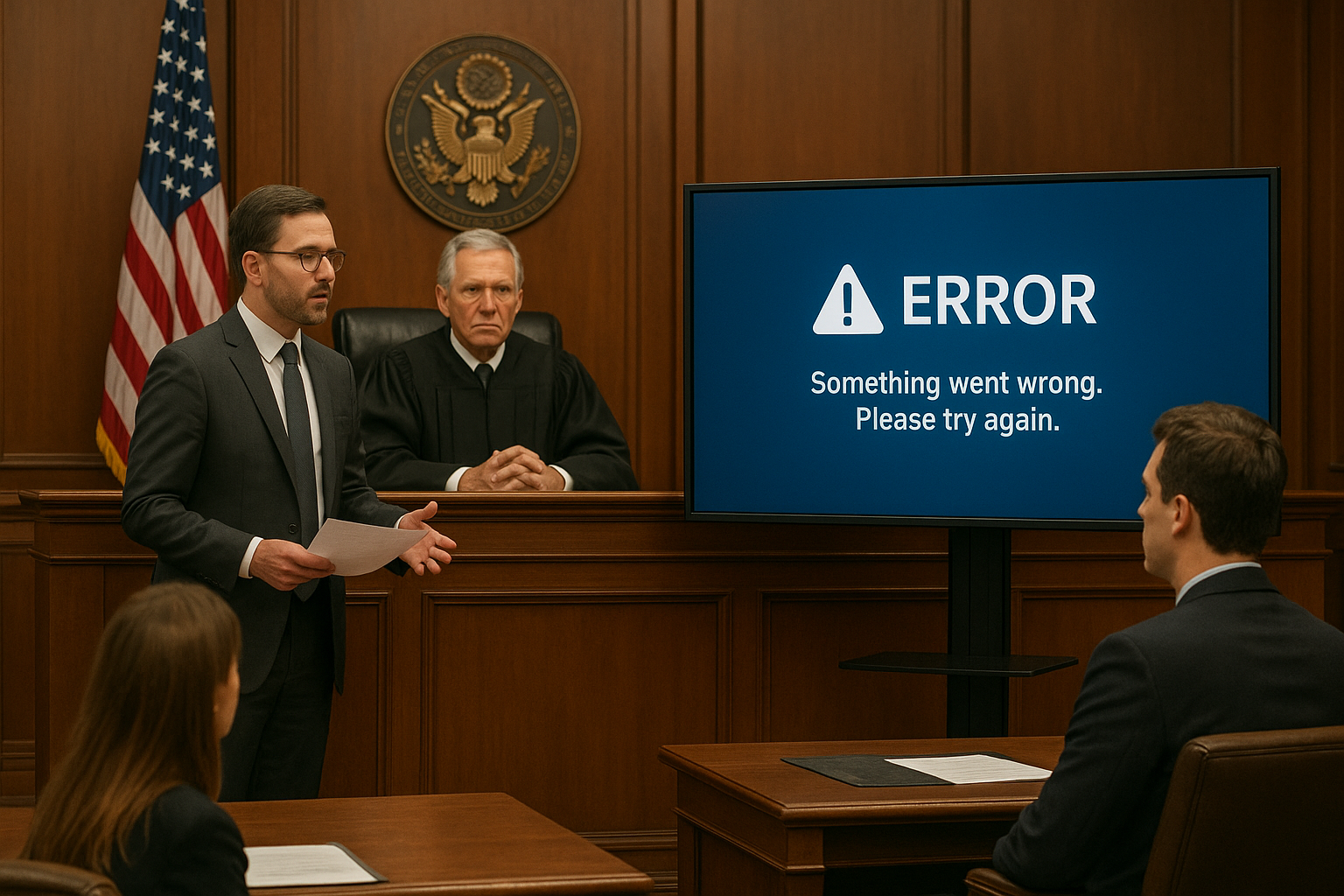
Roku and TCL Face Lawsuit: How Defective Updates Are Bricking TVs
In a surprising turn of events, Roku and TCL, two giants in the television industry, are now facing legal challenges due to defective updates that have allegedly bricked numerous smart TVs. As customers express their frustration and seek remedies, this case highlights the critical importance of quality assurance in software updates and the potential ramifications when things go awry.
Understanding the Lawsuit
The lawsuit filed against Roku and TCL claims that the companies have released software updates that inadvertently render smart TVs nonfunctional or “bricked.” Users have reported that after applying certain updates, their devices fail to operate, leaving them with unusable products. This has led to numerous consumer complaints and sparked a legal battle aiming to hold the companies accountable.
The Allegations
The core of the allegations centers around the lack of adequate testing and the negligent oversight by the companies in deploying these updates. Consumers argue that Roku and TCL failed to ensure their software was free from critical defects before dissemination.
The Impact on Consumers
The bricking issue has affected countless users, causing significant inconvenience and financial loss. Many rely on their smart TVs for daily entertainment and communication, amplifying the disruption caused by this defect.
"It was a standard update, and suddenly, my TV stopped working. It’s incredibly frustrating," says one affected customer.
Seeking Solutions
- Reimbursement for affected users
- Mandatory recall of defective units
- Immediate corrective software updates
- Enhanced customer support
Company Responses
In response to these allegations, both Roku and TCL have acknowledged the complaints and emphasized their dedication to resolving the issue promptly. They argue that immediate steps are being taken to deliver a robust solution and minimize user disruption.
Legal Implications
This lawsuit not only affects the companies involved but also sets a precedent for the tech industry regarding accountability and consumer protection. It underscores the importance of meticulous software deployment and responsive customer service.
Key Takeaways
- Ensuring proper quality control in software updates is vital
- Companies must act swiftly to address consumer concerns
- Legal actions can serve as a catalyst for improved industry standards
Conclusion
As the case unfolds, the tech community and consumers alike will be watching closely. This lawsuit serves as a critical reminder of the responsibility companies hold in ensuring their software updates are thoroughly vetted to prevent such disruptive problems. With customer satisfaction and corporate integrity on the line, manufacturers must prioritize proactive measures to safeguard against similar issues in the future.
For further reading on tech scandals and legal battles, explore our extensive related article.